Overview
Rome, the capital of Italy and once the center of the Roman Empire, is a city where the past and present coexist in breathtaking harmony. With a history stretching back nearly 3,000 years, Rome has been at the epicenter of Western civilization, shaping law, politics, architecture, art, and religion. Every neighborhood tells a story — from the imperial majesty of the Forum to the bohemian charm of Trastevere.
Today's Rome is a vibrant, chaotic, beautiful metropolis. It's a city of espresso bars on cobblestone corners, of motorinos weaving through ancient streets, of sunsets that turn travertine gold. Whether you're standing in the Sistine Chapel or sitting in a trattoria with a plate of perfect carbonara, Rome has a way of making every moment feel monumental.
Why Visit Rome
Rome offers something no other city can — the ability to walk through thousands of years of living history. In a single day, you can explore an ancient gladiatorial arena, gaze at Michelangelo's ceiling, toss a coin in a Baroque fountain, and end the evening with the best pasta of your life while overlooking a piazza designed by Bernini.
The city rewards curiosity. Get lost in the alleys of the Centro Storico and you'll stumble upon hidden churches filled with Caravaggio paintings. Cross the Tiber into Trastevere and discover neighborhood life that hasn't changed for generations. Rome isn't just a museum — it's an experience that engages every sense.
Top Attractions
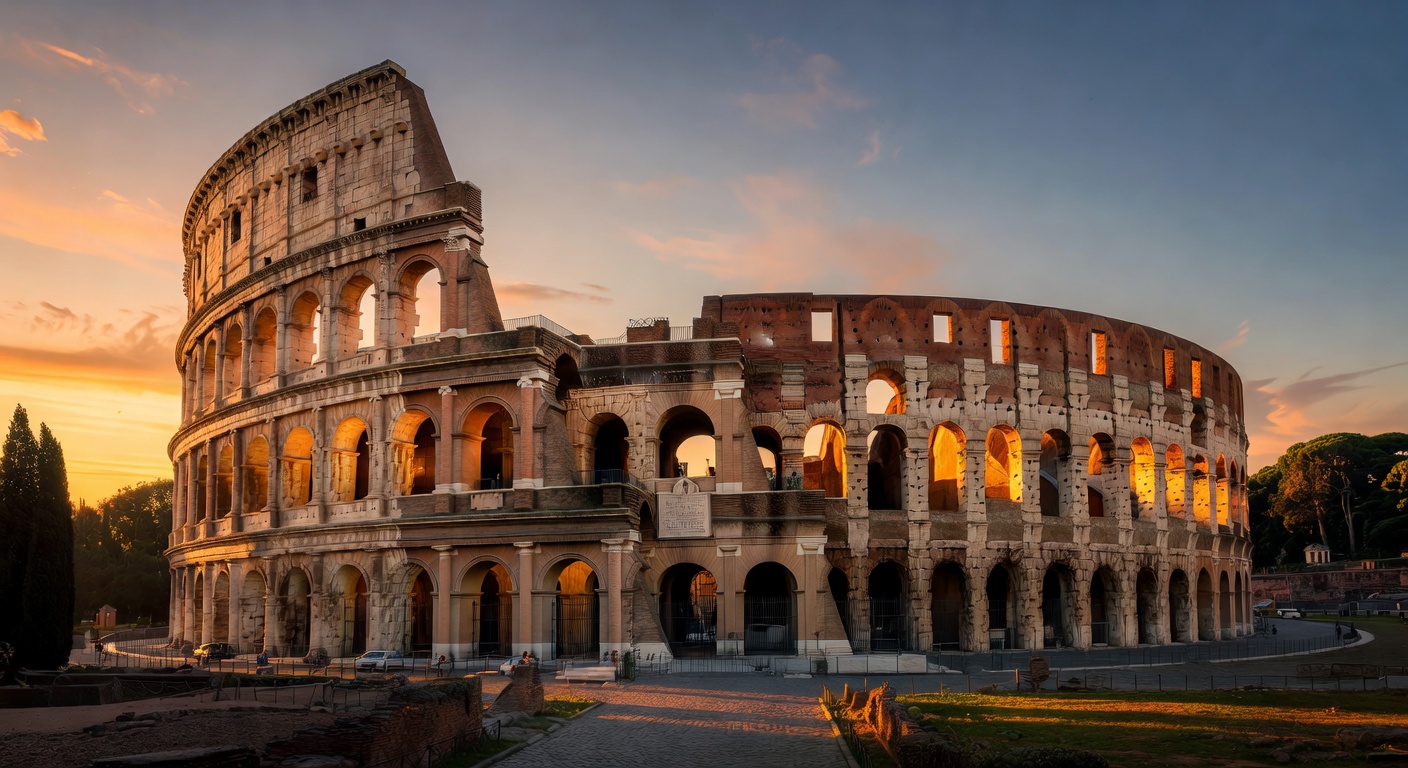
🏛 Colosseum & Roman Forum
The iconic amphitheater that once held 50,000 spectators. Combine with a walk through the Forum and Palatine Hill for the full ancient Rome experience.
🎨 Vatican Museums & Sistine Chapel
One of the world's greatest art collections, culminating in Michelangelo's awe-inspiring ceiling frescoes. Arrive early or book a late-entry tour.
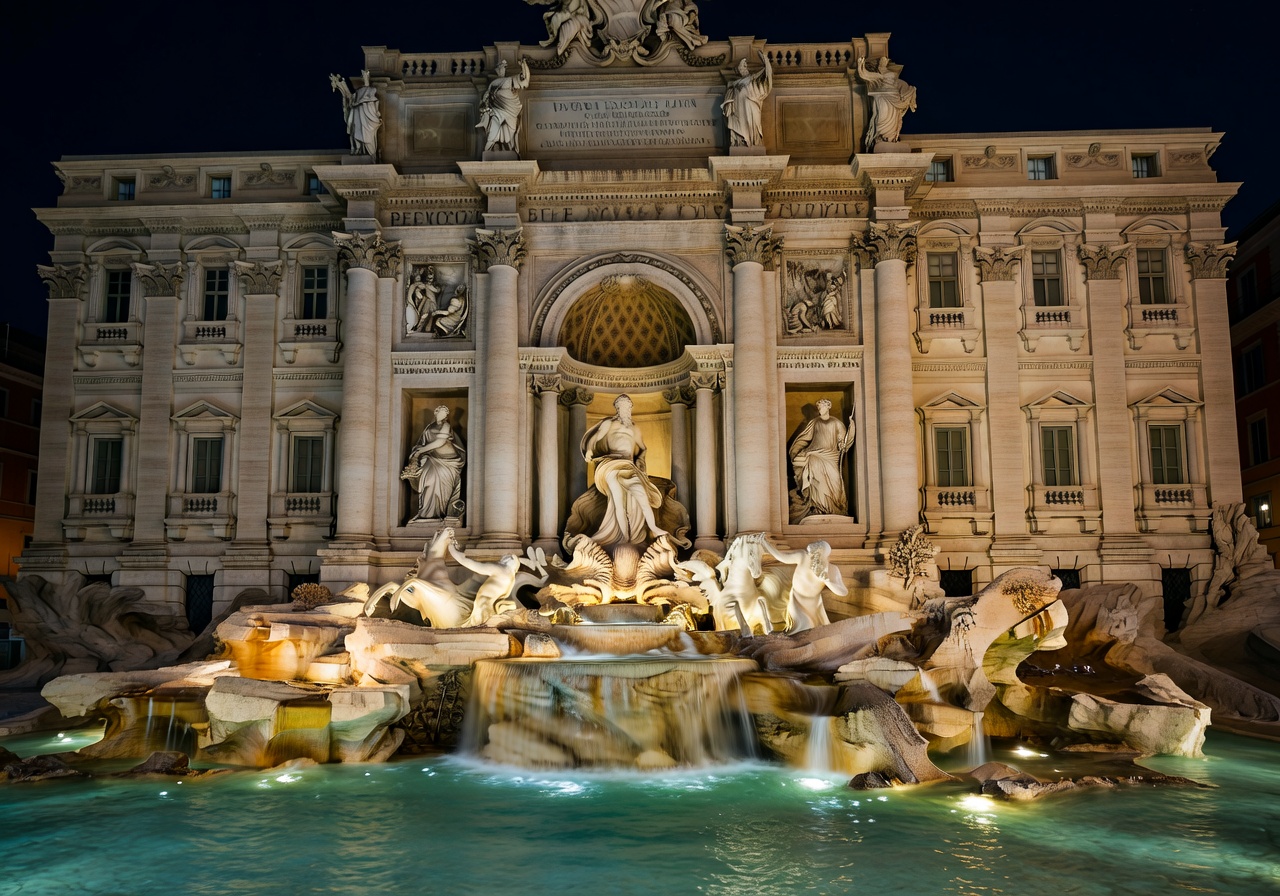
⛲ Trevi Fountain
The largest Baroque fountain in Rome. Tradition says toss a coin over your left shoulder with your right hand to ensure your return to Rome.
🏛 Pantheon
Nearly 2,000 years old and still the world's largest unreinforced concrete dome. Free to enter and absolutely mesmerizing, especially when it rains through the oculus.
🌿 Trastevere
Rome's most charming neighborhood. Vine-covered facades, artisan shops, and some of the city's best restaurants and bars line narrow medieval streets.
🏰 Castel Sant'Angelo
Originally built as Emperor Hadrian's mausoleum, later a fortress and papal residence. The rooftop offers panoramic views of Rome and St. Peter's.
Best Time to Visit
Spring (April – June): Perfect temperatures, blooming gardens, and festive energy as the city awakens from winter. Easter celebrations at the Vatican are unforgettable.
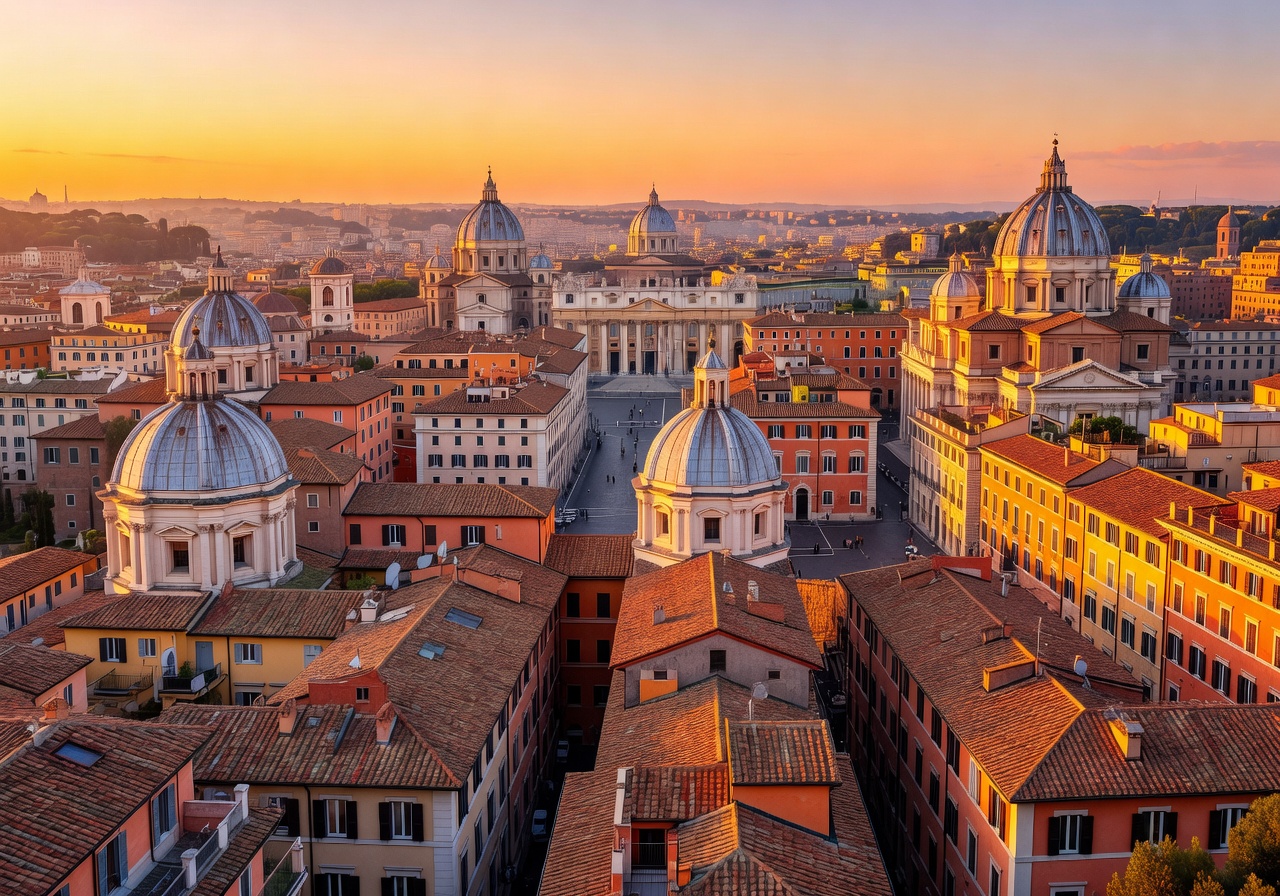
Autumn (September – October): Summer crowds thin out, the light turns golden, and temperatures are ideal for walking. Harvest season means incredible food and wine.
Avoid: July and August bring intense heat (often 35°C+) and massive tourist crowds. Many local shops and restaurants close for August holidays.
Food & Drink
Roman cuisine is gloriously simple and deeply satisfying. The four canonical Roman pastas — Carbonara, Cacio e Pepe, Amatriciana, and Gricia — are religions unto themselves. Supplì (fried rice balls), pizza al taglio (Roman-style pizza by the slice), and artichokes prepared Jewish-style (carciofi alla giudia) are essential tastes.
For coffee, remember: stand at the bar like a local, order an espresso (just say "caffè"), and never order a cappuccino after 11am. End meals with a digestivo — amaro or limoncello.
Travel Tips
- Buy a Roma Pass for free public transport and discounted museum entry
- Book Vatican and Colosseum tickets online at least 2 weeks ahead
- Wear comfortable walking shoes — Rome's cobblestones are beautiful but unforgiving
- Eat where locals eat — if the menu is only in English with photos, keep walking
- Carry a water bottle — Rome's nasoni (public fountains) provide free clean drinking water
- Visit major sites at opening time or late afternoon to avoid peak crowds
- Take at least one evening passeggiata (stroll) through the Centro Storico